Commercial pool repair warning signs are easy to overlook when a pool is still open, the water looks acceptable, and guests or residents are using the space without obvious complaints. For property managers in Cambridge, MA, that can be a costly mistake. Small cracks, changing water levels, noisy equipment, rough plaster, loose tile, cloudy water, or deck movement can turn into emergency repairs, safety concerns, and avoidable downtime if they are not documented early.
This guide is written for hotels, condominiums, apartment communities, clubs, schools, corporate properties, and other facilities that manage shared or commercial pools. It explains the repair signs that deserve attention, how to separate routine maintenance from real repair needs, and when to bring in a professional. If the pool already has recurring issues, commercial pool repair should be coordinated with inspection, maintenance, leak detection, and equipment review.
Why Warning Signs Matter for Commercial Pools
Commercial pools operate under more pressure than residential pools. They see heavier use, more frequent chemical demand, longer operating hours, and more visibility from guests, residents, boards, and property leadership. In Cambridge and across Massachusetts, seasonal weather also adds freeze-thaw stress, spring startup pressure, and closing requirements that can expose damage after winter.
The biggest repair mistake is waiting until the pool is unusable. A small leak can waste water and chemicals before it is obvious. A rough surface can become a swimmer comfort issue before it looks severe. A pump that sounds different can signal a larger equipment problem. A loose tile can point to bond failure, water intrusion, or coping movement. Early repair planning helps protect the pool, the budget, and the property’s reputation.
- Repair warning signs should be logged with photos, dates, and operating notes.
- Recurring problems should not be treated as normal maintenance.
- Cambridge commercial properties should plan repairs before peak pool season whenever possible.
- Repair planning should connect with commercial pool maintenance and pool inspection and safety.
Warning Sign: Unexplained Water Loss
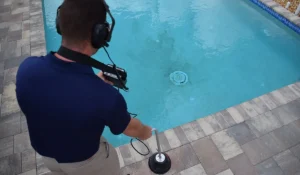
Water loss is one of the most important commercial pool repair signs because it can point to a leak in the shell, plumbing, skimmer, fittings, equipment, or surrounding structure. Evaporation, splash-out, and backwashing can explain some loss, but consistent unexplained drops should be investigated. For a commercial property, the cost is not just water. Leaks can increase chemical use, damage nearby surfaces, create soil movement, stress equipment, and force shutdowns if ignored.
Property teams should document water level changes at the same time each day when a leak is suspected. Note weather, bather load, backwashing, autofill behavior, and visible wet areas. If the pattern continues, schedule pool leak detection instead of guessing. Accurate diagnosis can reduce unnecessary demolition and help the repair scope stay focused.
- Watch for recurring water-level drops beyond normal evaporation or splash-out.
- Look for wet soil, sinking deck areas, air in the system, or unexplained chemical demand.
- Do not rely on repeated water replacement as a long-term solution.
Warning Sign: Cracks, Rough Plaster, or Surface Deterioration
Pool surfaces wear down over time, especially in commercial settings with high use and demanding water chemistry. Rough plaster, staining, etching, cracks, delamination, and exposed aggregate can affect swimmer comfort, maintenance costs, and the overall look of the property. Surface damage can also make the pool harder to brush, balance, and keep clean.
Not every surface flaw requires immediate resurfacing, but repeated patching can become more expensive than planning the right project. If the finish is consistently rough, stained, cracked, or difficult to maintain, the property should evaluate pool resurfacing or a broader pool renovation. For Cambridge properties, planning this work before peak season gives management more control over timing and downtime.
- Document rough areas, cracks, staining, hollow spots, and areas that collect algae or debris.
- Escalate sharp or uncomfortable surfaces before they become guest or resident complaints.
- Consider resurfacing when recurring repair no longer solves the underlying finish problem.
Warning Sign: Loose Tile, Coping, or Deck Movement
Tile, coping, and deck issues are more than cosmetic. Loose materials can create trip hazards, sharp edges, water intrusion, and signs of movement around the pool perimeter. In New England, freeze-thaw cycles can make small cracks and separations worse over time. If the same areas keep failing, there may be a drainage, bond, expansion, or structural issue that needs a professional review.
During routine checks, look for missing grout, cracked tile, loose coping stones, uneven deck edges, pooling water, rust stains, or movement near skimmers and returns. These issues should be photographed and tracked. A repair plan may include tile work, coping repair, deck repair, sealant, drainage improvements, or related surface work.
- Loose tile or coping should be addressed before it becomes a safety concern.
- Deck movement can signal drainage, freeze-thaw, or underlying support problems.
- Repeated failures in the same area deserve diagnosis, not just another patch.
Warning Sign: Equipment Noise, Pressure Changes, or Flow Problems
Equipment problems can show up as changes in sound, pressure, water movement, temperature, or clarity. Pumps may become louder, filters may show abnormal pressure, heaters may short cycle, automation may show errors, and returns may lose flow. These warning signs are easy to normalize until the pool can no longer maintain water quality or temperature.
Commercial pool equipment should be reviewed as part of the repair conversation because mechanical issues often create water-quality problems that look chemical at first. If the pool repeatedly needs chemical correction, the real problem may be flow, filtration, heating, sanitation, or automation. Pool equipment service can help isolate the cause before failure creates a more expensive emergency.
- Record pressure readings, pump noise, heater behavior, flow changes, and error codes.
- Check for leaks around pumps, valves, unions, filters, heaters, and chemical systems.
- Schedule diagnosis when equipment behavior changes, even if the pool is still open.
Warning Sign: Cloudy Water or Chemical Instability
Cloudy water and unstable chemistry are sometimes maintenance problems, but repeated instability can be a repair warning sign. Poor circulation, damaged filters, failing valves, broken automation, undersized equipment, hidden leaks, or surface deterioration can all make water harder to manage. Commercial pools need reliable clarity and balance because water quality affects safety, perception, and operational confidence.
Public health resources such as CDC Healthy Swimming guidance explain why water quality and swimmer health matter. Property managers should also understand that consistent maintenance records are important when diagnosing repeated clarity or chemical problems. If normal maintenance does not solve the issue, inspection and repair review should be the next step.
- Track sanitizer, pH, alkalinity, calcium hardness, water temperature, and chemical usage.
- Look for patterns after heavy use, rain, equipment changes, or backwashing.
- Escalate repeated instability to equipment, leak, filtration, or surface diagnosis.
Warning Sign: Safety Features or Access Points Need Attention
Commercial pool repair should include safety-related items such as ladders, rails, steps, drains, covers, gates, barriers, signage, lighting, and deck surfaces. Loose rails, missing hardware, damaged steps, cracked deck areas, and failing covers can create risk even when the water itself looks good. These issues are especially important for properties with residents, guests, children, or high daily traffic.
Property teams should check safety items during routine walks and document anything that looks loose, worn, damaged, or out of place. The Massachusetts Department of Public Health is a useful resource for understanding the broader health and safety context around aquatic facilities, but a professional site review is still needed for specific repair decisions.
- Inspect rails, ladders, steps, drains, covers, deck surfaces, barriers, and signage.
- Repair loose or damaged access points before peak use.
- Do not delay safety-related repairs because the pool water looks acceptable.
When to Call for Commercial Pool Repair in Cambridge, MA
Property managers should call for repair review when the same issue appears more than once, when visible damage is growing, when the pool is harder to maintain, or when equipment behavior changes. The best repair timing is usually before the problem forces a closure. This gives the property more control over scheduling, budget, resident communication, and vendor availability.
Affordable Pool provides commercial pool repair and renovation in Cambridge, MA as part of a broader service approach that includes maintenance, leak detection, resurfacing, equipment service, inspection, and renovation planning. That matters because many pool problems are connected. A leak may affect decking. Poor circulation may affect water quality. Surface deterioration may point to renovation needs. A complete review helps prevent disconnected repairs.
- Call when water loss, surface damage, equipment issues, or safety concerns repeat.
- Ask for a repair plan that separates urgent work from future capital improvements.
- Use photos, logs, and maintenance notes to speed up the diagnosis process.
Repair Documentation Checklist
Before requesting service, gather the details a repair team will need. Good information helps avoid vague conversations and supports a better estimate. For commercial properties, documentation also helps boards, owners, and management teams understand why a repair is needed and what happens if it is delayed.
Start with the pool location, property type, operating season, known issues, recent maintenance notes, equipment information, water-loss patterns, photos, and desired timing. If the pool serves guests or residents, include any complaints or safety concerns. Then use the commercial pool quote page or contact Affordable Pool to start the repair conversation.
- Photograph cracks, stains, loose tile, wet areas, equipment leaks, and safety concerns.
- Share water readings, pressure readings, repair history, and recent maintenance notes.
- List deadlines such as opening dates, events, board meetings, or seasonal shutdown windows.
- Clarify whether the property needs repair, inspection, resurfacing, renovation, or maintenance support.
Commercial Pool Repair FAQs
What is the most urgent commercial pool repair warning sign?
Safety concerns, unexplained water loss, equipment failure, sharp or rough surfaces, and loose access points should be treated as urgent because they can affect pool operation, swimmer safety, or property damage.
Can routine maintenance fix every commercial pool issue?
No. Maintenance can prevent many problems and catch issues early, but recurring leaks, cracks, failing equipment, loose tile, and worn finishes usually need repair, resurfacing, or renovation planning.
How should property managers document pool repair concerns?
Use dated photos, maintenance logs, water readings, equipment notes, repair history, and a clear description of when the issue appears. This helps the repair team diagnose the problem faster.
Does Affordable Pool service commercial pools in Cambridge, MA?
Yes. Affordable Pool supports commercial pool repair, renovation, maintenance, leak detection, equipment, inspection, and resurfacing needs for Cambridge and other Massachusetts service areas.
When is the best time to schedule commercial pool repairs?
The best time is before peak pool season or before a small issue forces closure. Early planning gives property teams better control over schedule, budget, and communication.
Get Commercial Pool Repair Help Before Problems Grow
Commercial pool repair warning signs should be treated as business and safety signals, not minor annoyances. When a pool is harder to maintain, losing water, showing surface damage, or developing equipment problems, the property needs a clear repair plan. Acting early protects the pool, the budget, and the people who use the space.
Affordable Pool helps commercial properties in Cambridge, MA and across Massachusetts with repair, maintenance, inspection, leak detection, equipment service, resurfacing, and renovation planning. To get started, contact Affordable Pool or request a service quote today.