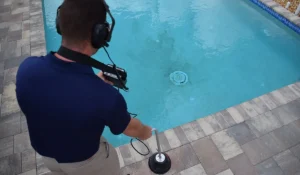
Pool leak detection for commercial properties in Brookline, MA is a serious operating issue, not a small maintenance detail. A hidden leak can waste water, increase chemical demand, damage surrounding structures, create deck or soil movement, strain equipment, and force a pool closure when the problem finally becomes obvious. For hotels, condos, apartment communities, clubs, schools, and corporate facilities, that can affect budgets, schedules, resident satisfaction, and guest experience.
Commercial pool leaks are not always easy to identify because water loss can be confused with evaporation, splash-out, backwashing, or normal seasonal use. The key is to document patterns and know when the situation needs professional diagnosis. Affordable Pool provides pool leak detection and related commercial pool repair services across Massachusetts, including Brookline and surrounding New England service areas.
Why Commercial Pool Leaks Need Fast Attention
A commercial pool leak can create more than a higher water bill. When water escapes from the shell, plumbing, fittings, skimmers, returns, or equipment area, it can affect soil conditions, deck stability, nearby structures, and equipment performance. The longer the leak continues, the harder it can be to separate the original problem from secondary damage.
For property managers, early leak detection is also about operational control. A pool that loses water every day may need extra chemicals, more maintenance time, more heating energy, and repeated staff attention. If the problem is ignored until peak season, the property may face rushed decisions and avoidable downtime. Professional diagnosis helps identify the source before the repair scope grows.
- Hidden leaks can increase water, chemical, heating, and maintenance costs.
- Water loss can point to shell, plumbing, skimmer, fitting, equipment, or structural concerns.
- Leak detection should be connected to commercial pool repair, equipment review, and safety planning.
Warning Sign: Water Levels Keep Dropping
The most obvious leak warning sign is a water level that keeps dropping beyond what the property expects. Evaporation and splash-out can explain some water loss, especially during warm weather and high use, but a consistent drop deserves attention. The pattern matters more than a single day of loss. If the level falls repeatedly after refilling or if staff members are adding water more often than before, the property should start documenting the issue.
Commercial teams should check water level at the same time each day and note weather, bather load, backwashing, autofill activity, and maintenance work. If the pattern continues, guessing can waste time. A professional leak test can help determine whether the issue is evaporation, equipment, plumbing, fittings, or the pool structure.
- Record water levels daily when a leak is suspected.
- Compare loss on operating days, quiet days, and after maintenance activity.
- Do not rely on repeated refilling as a long-term solution.
Warning Sign: Higher Chemical Use or Water-Balance Problems
Leaks can make water chemistry harder to control because fresh makeup water changes the balance of the pool. If staff members are adding more chemicals than usual, struggling to maintain stable readings, or seeing water-quality changes that do not match normal usage, a leak may be part of the problem. Water loss can also affect heating costs and equipment performance.
Public health resources such as CDC Healthy Swimming guidance explain why water quality and routine maintenance matter for pool users. For a commercial property, unstable water chemistry should be reviewed alongside circulation, filtration, surface condition, and leak concerns. The cause may be more than routine maintenance.
- Track sanitizer, pH, alkalinity, calcium hardness, temperature, and chemical additions.
- Look for changes after refilling, heavy use, rain, or backwashing.
- Pair leak detection with commercial pool maintenance when chemistry problems repeat.
Warning Sign: Wet Areas Around the Pool or Equipment Pad
Wet soil, damp deck areas, soft landscaping, standing water near the equipment pad, or unexplained puddles can all point to a leak. These signs can be subtle, especially if irrigation, rain, cleaning activity, or drainage issues are also present. The important step is to document where water appears, how often it returns, and whether it lines up with pump operation or pool usage.
Equipment-pad leaks may come from pumps, filters, heaters, valves, unions, drains, or chemical systems. Pool-area leaks may come from plumbing, fittings, shell cracks, skimmers, or returns. A targeted inspection helps avoid unnecessary digging or demolition. If equipment behavior has changed at the same time, pool equipment service may also be needed.
- Photograph wet areas and note whether they appear when the system is running.
- Check around pumps, filters, heaters, valves, drains, fittings, skimmers, and returns.
- Escalate recurring damp areas before they affect decks, structures, or landscaping.
Warning Sign: Air in the System or Flow Problems
Air bubbles in the return lines, a pump that struggles to prime, changing filter pressure, or weaker water movement can point to suction-side leaks or equipment issues. These signs do not automatically prove a pool leak, but they do show that the circulation system needs attention. Commercial pools depend on reliable circulation for water quality, heating, and user safety.
When flow problems appear with unexplained water loss, the property should not treat them as separate issues. The pool may need a combined review of plumbing, valves, pump performance, filter condition, fittings, and visible leaks. A full diagnosis is more useful than replacing parts without identifying the cause.
- Watch for air bubbles, noisy pumps, changing pressure, or weak returns.
- Document whether the problem happens at startup, during operation, or after shutdown.
- Connect circulation symptoms with leak detection and equipment inspection.
Warning Sign: Cracks, Surface Movement, or Deck Changes
Cracks in the pool finish, coping movement, deck settlement, loose tile, or expanding gaps can be signs of wear, drainage issues, water intrusion, or structural movement. A leak can worsen these conditions, and these conditions can also make leaks more likely. For commercial properties, visible movement should be documented quickly because it can affect safety and repair planning.
Brookline properties should pay close attention after freeze-thaw cycles, heavy rain, seasonal openings, and periods of high use. If cracks or deck issues appear alongside water loss, the repair conversation should include pool inspection and safety, leak testing, and possible resurfacing or renovation planning.
- Photograph cracks, loose coping, uneven deck sections, and gaps around fittings.
- Track whether damage grows over days or weeks.
- Review surface and deck concerns before they become trip hazards or larger repairs.
How Leak Detection Helps Avoid Guesswork
Professional pool leak detection is valuable because it narrows the problem before repair work begins. Without testing, properties may spend money on the wrong fix, replace equipment unnecessarily, or open surfaces that did not need to be disturbed. A careful process can include water-loss documentation, pressure testing, dye testing, equipment inspection, shell review, and evaluation of fittings or plumbing lines.
The goal is to identify the source and then plan the right repair. Sometimes the solution is small. Other times the leak is connected to a broader condition such as surface deterioration, damaged fittings, plumbing failure, or renovation needs. Affordable Pool helps commercial properties connect leak findings to practical repair options instead of treating the leak as an isolated mystery.
- Leak testing helps avoid unnecessary excavation or random part replacement.
- Diagnosis should come before repair recommendations whenever possible.
- Findings can support budgeting, scheduling, and owner or board communication.
What Property Managers Should Document Before Calling
Good documentation makes leak diagnosis faster. Property managers should gather water-level notes, photos of wet areas, equipment observations, recent repair history, chemical records, and any changes in operation. It is also useful to note whether the pool has an autofill system, when the pool was last resurfaced, and whether the issue began after opening, closing, equipment work, or severe weather.
When requesting service, include the pool location, property type, operating schedule, suspected leak signs, and any deadlines. If the pool serves guests or residents, explain whether downtime is possible and when it would be least disruptive. That information helps Affordable Pool recommend the right next step for a Brookline commercial pool.
- Track water level changes, refill frequency, and chemical usage.
- Collect photos of cracks, damp areas, equipment leaks, and deck changes.
- List opening dates, event dates, resident notice needs, or seasonal constraints.
When Leak Detection Becomes Repair or Renovation
Leak detection identifies the problem, but the next step may involve repair, resurfacing, equipment service, or a larger renovation plan. If the leak is tied to old fittings, worn plaster, failing tile, damaged plumbing, or deck movement, the property may need more than a simple patch. Commercial properties should use leak findings to decide whether a focused repair is enough or whether broader planning is smarter.
Affordable Pool can connect leak detection with pool resurfacing, pool renovation, equipment service, and commercial pool repair. That helps property managers avoid disconnected fixes and plan work around seasonal schedules, budgets, and operating needs.
- Small leaks may need targeted repair once the source is confirmed.
- Leaks tied to worn finishes, failing fittings, or structural movement may need a larger scope.
- Use the diagnosis to plan repairs before peak pool season or before damage spreads.
Pool Leak Detection for Brookline Commercial Properties
Brookline hotels, condos, apartment communities, clubs, and shared-use facilities should treat unexplained water loss as a priority. Local properties often need service that accounts for New England weather, older structures, seasonal pool schedules, and the expectations of residents or guests. A leak that might seem manageable today can become a larger repair if it is ignored through a full operating season.
The Brookline commercial pool service area page is a useful starting point for local service context. Property teams can also use the commercial pool quote page to request leak detection, repair review, or a broader pool evaluation.
- Schedule leak detection when water loss is recurring or unexplained.
- Coordinate diagnosis with maintenance, equipment review, and surface inspection.
- Plan repairs around guest, resident, or seasonal access needs.
Commercial Pool Leak Detection FAQs
How can a property manager tell if a commercial pool is leaking?
Warning signs include repeated water loss, higher chemical demand, wet areas near the pool, air in the system, pressure changes, deck movement, cracks, and equipment-pad leaks.
Is evaporation the same as a leak?
No. Evaporation can cause normal water loss, especially in warm weather, but consistent drops beyond expected conditions should be documented and tested before assuming they are normal.
Can a pool leak damage the deck or nearby structures?
Yes. Escaping water can affect soil, deck stability, nearby materials, equipment areas, and surrounding structures. That is why early diagnosis matters.
Does leak detection require draining the pool?
Not always. The right method depends on the suspected source. Testing may include water-level tracking, dye testing, pressure testing, equipment inspection, or other diagnostic steps.
Does Affordable Pool provide leak detection in Brookline, MA?
Yes. Affordable Pool provides pool leak detection, commercial pool repair, maintenance, inspection, equipment service, resurfacing, and renovation planning for Brookline and other Massachusetts service areas.
Request Pool Leak Detection Before the Problem Grows
Commercial pool leaks are easier to manage when they are found early. If your Brookline property is adding water often, fighting unstable chemistry, seeing wet areas, or noticing cracks and equipment changes, do not wait for the problem to force a shutdown. Document the signs and request a professional review.
To get started, contact Affordable Pool or request a commercial pool quote. Affordable Pool can help identify the source of the leak, explain the repair options, and connect the findings to maintenance, resurfacing, equipment, or renovation planning when needed.