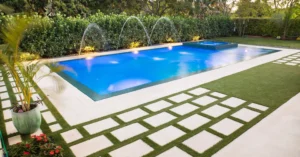
Commercial pool renovation planning for hotels and condos in Newton, MA should start long before the pool looks unusable. A renovation project can affect guest satisfaction, resident communication, budgets, board approvals, seasonal opening dates, safety planning, and long-term maintenance costs. When the process is rushed, properties often end up patching visible problems instead of solving the larger issues that made the pool harder to operate in the first place.
For hotels, condominiums, apartment communities, clubs, and shared-use properties, a pool renovation is both an operational decision and a property-value decision. The right plan can improve appearance, swimmer comfort, equipment reliability, water quality, deck safety, and seasonal readiness. Affordable Pool helps commercial properties evaluate pool renovation needs in Newton and across Massachusetts with a focus on practical scope, timing, and repair priorities.
Start With the Business Goal for the Pool
Before choosing finishes, tile, coping, decking, or equipment, property managers should define what the renovation needs to accomplish. A hotel may need a better guest impression and fewer maintenance complaints. A condo board may need a safer, cleaner pool area with a budget that residents can understand. A facility manager may need to reduce service calls, fix recurring water-quality problems, or plan around a limited shutdown window.
Clear goals make the renovation process easier because every repair or upgrade can be judged against the property’s actual needs. Without that clarity, projects can become a list of disconnected fixes. A better approach is to identify the operating problems first, then decide which surface, equipment, tile, coping, deck, or safety improvements belong in the scope.
- Define whether the main goal is appearance, safety, reliability, maintenance efficiency, or guest experience.
- Separate urgent repairs from improvements that can be phased later.
- Use the renovation plan to support property value and easier daily operation.
Hotel Pool Renovation Planning
Hotel pool renovation planning has to account for guest expectations, reviews, occupancy patterns, brand standards, and revenue-sensitive downtime. A pool that looks worn, has rough surfaces, unreliable heating, damaged coping, or recurring water-quality issues can affect how guests judge the entire property. Even when the pool is only one amenity, it can become a visible sign of whether the property is being maintained.
Hotels should start with a condition review that covers plaster, tile, coping, deck surfaces, equipment, drainage, lighting, railings, steps, and visible safety items. If the pool serves families or high-traffic guest groups, renovation planning should also consider comfort, access points, and maintenance needs during busy periods. Affordable Pool supports hotel pool services that can connect renovation work with repair, maintenance, resurfacing, and equipment planning.
- Plan renovation work around occupancy patterns and peak guest seasons.
- Use photos, inspection notes, and maintenance logs to support ownership approvals.
- Coordinate resurfacing, tile, equipment, and deck work to avoid repeated shutdowns.
Condo Pool Renovation Planning
Condo pool renovation planning has a different set of pressures. Boards, management companies, residents, and owners may all need clear communication about why the work matters, what it will cost, and how long the pool may be unavailable. A renovation plan should be specific enough to support a board vote or budget discussion, but practical enough to avoid overbuilding the scope.
For condominium communities, the strongest renovation plans usually include visible condition documentation, repair priorities, safety concerns, finish recommendations, and a realistic timeline. Affordable Pool supports condo pool services for properties that need help turning maintenance problems into a clear renovation plan. This can include surface evaluation, repair review, leak concerns, equipment condition, and upgrade recommendations.
- Prepare board-friendly documentation with photos, issues, priorities, and options.
- Explain which repairs affect safety, operation, appearance, or long-term cost.
- Plan resident communication before the pool is closed or work begins.
Inspect the Pool Before Choosing the Scope
A renovation scope should be based on inspection, not assumptions. The visible problem may be worn plaster, but the property might also have loose tile, failing coping, equipment strain, deck movement, drainage issues, leaks, or safety concerns. If those items are not reviewed first, the property may complete a surface upgrade and then discover another problem that should have been handled during the same shutdown.
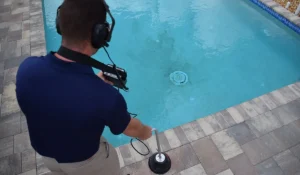
A complete review should include the pool shell, plaster or finish, tile, coping, drains, fittings, ladders, rails, deck surfaces, equipment pad, pumps, filters, heaters, valves, automation, and visible water-loss clues. The project may involve commercial pool repair, pool resurfacing, equipment updates, tile and coping work, or deck improvements.
- Check the pool surface, structure, equipment, deck, and safety features before finalizing the scope.
- Look for connected issues such as leaks, poor circulation, or recurring finish problems.
- Use inspection findings to avoid incomplete renovation planning.
Surface, Tile, Coping, and Deck Decisions
The most visible parts of a commercial pool renovation are often the finish, tile, coping, and deck area. These elements shape the look of the pool and also affect comfort, safety, and maintenance. Rough plaster can bother swimmers. Loose tile can become a hazard. Damaged coping can create sharp edges or water intrusion. Deck problems can affect drainage and trip risk.
Property managers should evaluate whether the pool only needs resurfacing or whether related updates should happen at the same time. Combining the right work can reduce repeated shutdowns and create a cleaner final result. Affordable Pool provides pool tile and coping services, resurfacing, decking, and renovation support for commercial properties that need a coordinated scope.
- Review surface condition, swimmer comfort, stains, cracks, and maintenance difficulty.
- Inspect tile, grout, coping, deck edges, drainage, and transitions around the pool.
- Coordinate visible upgrades with practical repair needs.
Equipment and Energy Planning
Renovation planning should include equipment because older pumps, filters, heaters, automation, or chemical systems can limit how well the pool performs after cosmetic work is complete. A renovated pool still needs reliable circulation, heating, filtration, and water treatment. If equipment is near the end of its service life, the property should decide whether upgrades should be included in the renovation timeline.
Equipment decisions should be based on the pool’s size, usage, operating season, maintenance history, and current performance. If the pool has pressure problems, heating issues, repeated cloudy water, high chemical demand, or frequent service calls, the renovation conversation should include pool equipment repair and replacement. For hotels and condos, reliability often matters as much as appearance.
- Review pumps, filters, heaters, valves, automation, and chemical systems during planning.
- Look at recurring service calls and water-quality problems before approving the final scope.
- Consider whether equipment updates can reduce future maintenance problems.
Safety and Compliance Considerations
Commercial pool renovation should never be treated as only a visual upgrade. Safety items, access points, deck conditions, drain covers, rails, ladders, steps, barriers, signage, and lighting should be reviewed before work begins. Some items may need immediate repair while others can be included in the renovation plan.
Resources such as CDC Healthy Swimming guidance and the Massachusetts Department of Public Health can help property teams understand the broader safety and public-health context around aquatic facilities. A professional site review is still needed to determine the right renovation scope for a specific Newton property.
- Inspect rails, ladders, drains, steps, deck surfaces, barriers, signs, and lighting.
- Document safety-related items separately from cosmetic upgrades.
- Address urgent safety concerns before delaying them into a future phase.
Budgeting and Phasing the Renovation
Budget planning is often the hardest part of a commercial pool renovation. The property may need to balance urgent repairs, desired upgrades, resident or guest expectations, and capital limits. A clear scope helps management decide what must be done now and what can be phased later. This is especially useful for condo boards and hotel ownership groups that need documentation before approving a project.
A good renovation plan should identify the base repair scope, recommended improvements, optional upgrades, likely downtime, and any risks that could affect timing. For Newton properties, the Newton commercial pool service area page can help connect the local service context with renovation, repair, resurfacing, maintenance, and inspection options.
- Separate required repair work from optional aesthetic upgrades.
- Build a phased plan when budget or timing does not allow everything at once.
- Use photos and written findings to support board, owner, or capital approvals.
Scheduling Around Guests, Residents, and Seasons
Timing can make or break a pool renovation. Hotels should avoid peak occupancy periods when possible. Condo communities should communicate well before closures. Seasonal properties should use fall notes and early spring planning to avoid last-minute problems. New England weather also matters, so projects should not be planned as if outdoor pool work can happen on any date without constraints.
Commercial properties should start the conversation early, even if the project is not immediate. Early planning gives the property more options, better communication, and more realistic expectations. It also makes it easier to combine renovation work with commercial pool maintenance, safety review, and seasonal opening or closing plans.
- Schedule inspections and pricing before peak pool season.
- Coordinate resident or guest communication before work begins.
- Plan around weather, operating season, board approvals, and vendor availability.
Information to Gather Before Requesting a Renovation Quote
A better quote starts with better project information. Before contacting a pool renovation contractor, property managers should gather recent photos, pool dimensions if available, equipment model information, maintenance logs, known leak history, recent repair records, opening or closing deadlines, and any board or ownership requirements. This helps the contractor understand the pool faster and makes the first conversation more useful.
Hotels and condos should also note whether the project has a fixed budget, a preferred completion window, resident or guest communication requirements, and any known safety concerns. Sharing those details early helps Affordable Pool separate urgent repair needs from optional upgrades and build a renovation conversation around the property’s real constraints.
Commercial Pool Renovation FAQs
When should a hotel or condo start planning a pool renovation?
Start planning as soon as the pool shows recurring surface, equipment, water-quality, safety, or appearance problems. Early planning gives the property more control over budget, timing, and communication.
What should be inspected before a pool renovation?
The pool surface, tile, coping, deck, drains, fittings, ladders, rails, equipment, water-loss signs, and visible safety issues should all be reviewed before the final scope is approved.
Can renovation be phased over time?
Yes. Some properties complete urgent repairs first and plan cosmetic or equipment upgrades later. The key is knowing which items affect safety and operation before deciding what can wait.
Does Affordable Pool handle hotel and condo pool renovation in Newton, MA?
Yes. Affordable Pool supports pool renovation, repair, resurfacing, equipment, maintenance, and inspection planning for hotels, condos, and commercial properties in Newton and other Massachusetts service areas.
Should resurfacing and equipment upgrades be done together?
They can be combined when the inspection shows both surface and equipment problems. Coordinating the work may reduce repeated downtime and improve long-term pool performance.
Plan a Commercial Pool Renovation Before Problems Force It
A strong renovation plan gives property managers, hotel operators, condo boards, and ownership teams a clear path forward. Instead of reacting to complaints or emergency repairs, the property can evaluate the pool, prioritize the right work, and schedule improvements around real operating needs.
Affordable Pool helps commercial properties in Newton, MA and across Massachusetts plan pool renovation, resurfacing, repair, equipment, maintenance, and inspection work. To begin, contact Affordable Pool or use the commercial pool quote page to describe the property, pool condition, and timing needs.