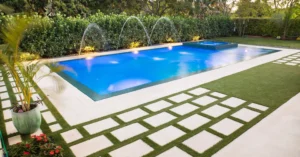
Knowing when to schedule pool resurfacing in Quincy, MA can save a commercial property from rushed repairs, avoidable downtime, and a poor guest or resident experience. Commercial pools often show warning signs long before the finish completely fails. Rough plaster, staining, cracks, hollow spots, frequent algae growth, swimmer complaints, and chemical instability can all point to a surface that is no longer performing the way it should.
For hotels, condominiums, apartment communities, clubs, schools, corporate properties, and other shared-use facilities, resurfacing is not just a cosmetic upgrade. It affects swimmer comfort, maintenance effort, water balance, safety perception, and long-term repair planning. Affordable Pool helps commercial properties evaluate pool resurfacing needs across Massachusetts so managers can plan the work before the pool becomes a bigger operational problem.
Why Pool Resurfacing Timing Matters in Quincy, MA
Commercial pool resurfacing should be scheduled before the finish becomes a daily maintenance burden or a safety concern. Waiting too long can make the pool harder to clean, increase chemical demand, and create a rough or unattractive surface for guests and residents. In New England, seasonal timing also matters because pool work often has to fit around spring openings, summer usage, fall closings, and winter weather.
Quincy properties should begin evaluating resurfacing needs before peak pool season. If the pool finish is already rough, stained, cracked, or difficult to balance, the property may need a resurfacing estimate before opening dates create scheduling pressure. Planned resurfacing gives management time to coordinate budgets, notify residents or guests, and group related repairs such as tile, coping, equipment, or deck work.
- Resurfacing should be considered when the finish is rough, stained, cracked, etched, or hard to maintain.
- Commercial properties should schedule evaluations before seasonal demand limits contractor availability.
- Resurfacing planning should connect with pool renovation, tile work, equipment checks, and safety review.
Warning Sign: Rough or Uncomfortable Pool Plaster
Rough plaster is one of the most common signs that a commercial pool may need resurfacing. A finish can become rough from age, chemical imbalance, etching, mineral buildup, or repeated seasonal stress. Swimmers may notice discomfort on feet, hands, or skin before the surface looks dramatically damaged. For a commercial property, those complaints should be documented and taken seriously.
Rough surfaces can also make the pool harder to brush and clean. Algae and debris can cling to worn areas, which increases maintenance effort and may create the impression that the pool is not being cared for. If staff members are spending more time cleaning the same surface issues, resurfacing may be more cost-effective than continuing to fight the finish.
- Track complaints about rough surfaces or swimmer discomfort.
- Inspect steps, shallow areas, corners, benches, and high-contact zones first.
- Compare maintenance effort year over year to see if the surface is becoming harder to manage.
Warning Sign: Staining, Etching, or Visible Finish Wear
Staining and etching can make a commercial pool look older and harder to maintain, even when the water is clean. Some stains are cosmetic, but widespread discoloration, mottling, exposed aggregate, scale, or etched plaster can mean the finish is near the end of its useful life. In a hotel, condo, or club setting, appearance matters because the pool area influences how people judge the property.
A resurfacing review should look at how much of the pool is affected, whether stains are returning after treatment, and whether the surface is still structurally sound. If stains are isolated, treatment or repair may be enough. If the finish is broadly worn, resurfacing may be the better long-term solution. Affordable Pool can help determine whether the next step is targeted commercial pool repair or a larger resurfacing plan.
- Document stains that return after cleaning or treatment.
- Look for etching, exposed material, discoloration, and areas that feel different from the rest of the pool.
- Use photos to support budgeting and board or ownership discussions.
Warning Sign: Cracks, Hollow Spots, or Delamination
Cracks and hollow-sounding areas can point to deeper surface failure. Some cracks are small and can be monitored, while others may indicate movement, water intrusion, bond failure, or aging materials. Delamination occurs when the finish separates from the underlying structure, and it can create loose or unstable sections that should not be ignored.
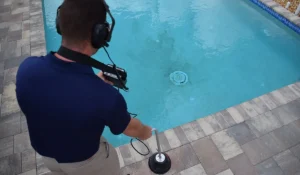
Commercial property teams should not assume every crack is only cosmetic. The repair approach depends on the location, pattern, size, and whether the issue is growing. A professional inspection can determine whether the pool needs patching, resurfacing, structural review, or related work such as pool leak detection. The earlier those details are documented, the easier it is to plan the correct scope.
- Mark and photograph cracks so growth can be tracked over time.
- Listen for hollow areas when the pool is evaluated by a professional.
- Escalate cracks that are expanding, leaking, sharp, or connected to deck or coping movement.
Warning Sign: Recurring Algae or Water-Balance Problems
A failing surface can contribute to recurring algae, staining, and water-balance challenges. When plaster is rough or porous, it can hold contaminants and make brushing less effective. If a pool repeatedly needs extra chemical correction, the problem may not be only maintenance. It may be connected to circulation, filtration, leaks, surface deterioration, or a combination of issues.
Public health resources such as CDC Healthy Swimming guidance explain why water quality and maintenance practices matter for aquatic facilities. For commercial properties, water-quality issues should be reviewed alongside surface condition and equipment performance. If the pool is difficult to keep clear despite consistent maintenance, resurfacing may be part of the solution.
- Track chemical readings, sanitizer demand, pH changes, and recurring algae locations.
- Review circulation and filtration before blaming the finish alone.
- Pair resurfacing evaluation with commercial pool maintenance and equipment review.
Best Seasons to Schedule Pool Resurfacing in New England
The best resurfacing schedule depends on the property’s operating calendar, but many commercial properties benefit from evaluating the pool after closing, during slower use periods, or well before spring opening. Waiting until the pool must open can create unnecessary pressure, especially if the project uncovers related repairs. New England weather also makes timing important because temperature and moisture can affect project planning.
For Quincy properties, the ideal approach is to inspect the pool before the next season is urgent. If resurfacing is likely, request pricing, timeline expectations, and related repair recommendations early. That gives the property time to plan resident or guest communication, capital approvals, and any linked upgrades such as tile, coping, equipment, or deck work.
- Schedule evaluations before peak spring demand whenever possible.
- Use fall closing notes to plan resurfacing before the next opening.
- Coordinate resurfacing with renovation, tile, coping, or equipment work when practical.
What to Review Before Approving a Resurfacing Project
Before approving resurfacing, property managers should understand the complete condition of the pool. The finish may be the visible concern, but related issues can affect the final scope. Tile and coping may need repair. Equipment may need updates. Leaks should be ruled out. Safety items should be reviewed. Deck areas may need attention. A resurfacing project is a good time to look at the pool as a full system.
Affordable Pool can help commercial properties connect resurfacing with pool inspection and safety, equipment review, repair planning, and renovation options. The goal is to avoid completing a surface project and then discovering another issue that should have been addressed at the same time.
- Review tile, coping, drains, fittings, steps, ladders, deck edges, and visible cracks.
- Check equipment performance and leaks before approving the final project scope.
- Ask whether resurfacing should be paired with renovation, repair, or equipment upgrades.
Budgeting for Commercial Pool Resurfacing
Commercial pool resurfacing budgets depend on pool size, finish condition, access, preparation needs, repairs, material selection, timeline, and related work. A property with worn plaster but few repairs may have a simpler scope than a pool with cracks, tile damage, coping movement, leaks, or equipment issues. That is why budget conversations should start with inspection, not assumptions.
Property managers should also consider the cost of delaying resurfacing. A failing finish can increase maintenance labor, chemical use, guest complaints, repair frequency, and shutdown risk. For boards or ownership teams, the business case is often strongest when it compares resurfacing against repeated patchwork and operational disruption.
- Request a quote based on inspection and documented conditions.
- Separate urgent repair items from cosmetic upgrades and long-term renovation options.
- Include communication and downtime planning in the project timeline.
Resurfacing for Hotels, Condos, and Shared Commercial Pools
Hotels, condo communities, apartment properties, and shared commercial pools need resurfacing plans that respect how people use the space. A hotel may care most about guest experience and review risk. A condo board may need budget clarity and resident communication. A club or community facility may need work completed around seasonal programming. The same resurfacing problem can require a different planning approach depending on the property.
Affordable Pool supports commercial pool resurfacing and renovation planning for different property types across Massachusetts. For properties in Quincy, the Quincy commercial pool service area page is a useful starting point for local service context, and the quote request page can be used to begin a project discussion.
- Hotels should plan around guest experience, peak occupancy, and visual presentation.
- Condos should plan around board approvals, resident notices, and budget cycles.
- Commercial facilities should connect resurfacing with safety review and operational scheduling.
Pool Resurfacing FAQs
How do I know if a commercial pool needs resurfacing?
Common signs include rough plaster, staining, cracks, hollow spots, delamination, recurring algae, difficult water balance, and surfaces that are uncomfortable or unattractive for users.
Can a commercial pool be patched instead of resurfaced?
Sometimes. Small isolated problems may be repairable, but widespread wear, recurring surface issues, and failing plaster usually point toward resurfacing or renovation planning.
When should Quincy properties schedule resurfacing?
Schedule evaluation before peak season whenever possible. Fall planning or early spring scheduling can give commercial properties more control over timeline, budget, and communication.
Should resurfacing be combined with renovation?
It can make sense when tile, coping, equipment, decking, or safety items also need attention. Combining work may reduce repeated downtime and improve the final result.
Does Affordable Pool handle commercial pool resurfacing in Quincy, MA?
Yes. Affordable Pool supports commercial pool resurfacing, repair, renovation, maintenance, leak detection, inspection, and equipment planning for Quincy and other Massachusetts service areas.
Schedule a Pool Resurfacing Evaluation
Commercial pool resurfacing should be planned before the finish becomes a larger operating problem. If the pool is rough, stained, cracked, hard to clean, or difficult to keep balanced, the property should document the issue and request a professional review. Acting early gives management more control over timing, cost, and user communication.
To discuss pool resurfacing in Quincy, MA, contact Affordable Pool or request a commercial pool quote. Affordable Pool can help evaluate the surface, related repairs, seasonal timing, and the best next step for your property.